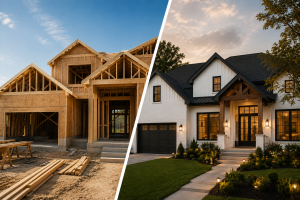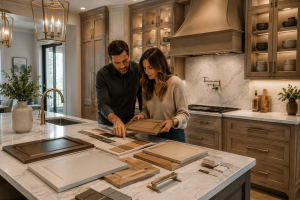
A great remodel should do more than make your home look different. It should make the house work better, feel more intentional, and, when the right improvements are chosen, strengthen its long-term value.
But not every renovation has the same impact. A highly personalized feature may be perfect for your family without necessarily appealing to a future buyer. Meanwhile, improvements to kitchens, bathrooms, storage, floor plans, and usable living space can solve problems that almost every homeowner understands.
The best remodeling projects that increase home value tend to find a balance between beautiful design, everyday functionality, quality craftsmanship, and what makes sense for the property itself.
If you’re deciding where to invest in your Texas home, these seven projects are a great place to start.
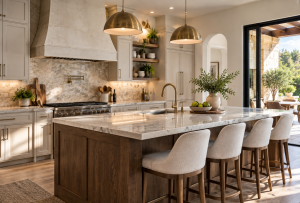
1. Kitchen Remodeling
The kitchen has an enormous influence on how a home feels. It’s where mornings begin, where people naturally gather, and often where homeowners notice an outdated layout first.
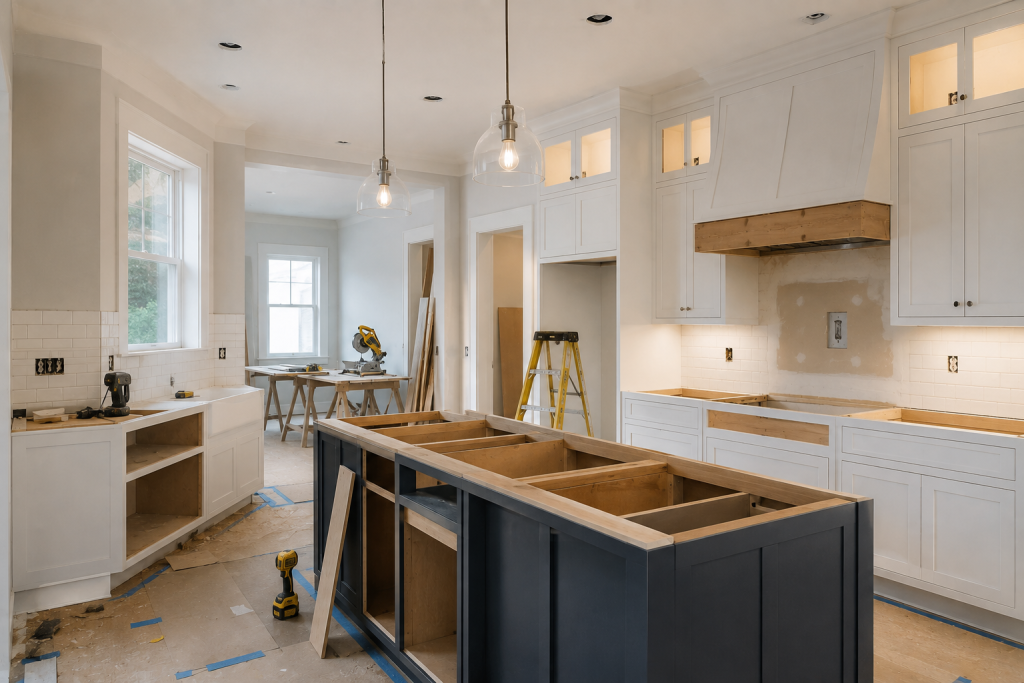
A valuable kitchen remodel doesn’t necessarily mean replacing everything with the most expensive option available. Start with the things that affect how the room functions.
Could the layout flow better? Is there enough countertop space? Does the island actually work for the room? Is storage being used intelligently? Could lighting make the space more comfortable?
Cabinetry is especially important because it influences both the appearance and functionality of the kitchen. Thoughtful storage, quality countertops, durable finishes, updated lighting, and well-integrated appliances can completely transform the space.
The goal should be a kitchen that looks beautiful and makes everyday life easier.
👉 You May Also Find This Helpful: Kitchen Remodeling in Huntsville TX: The Complete Homeowner’s Guide
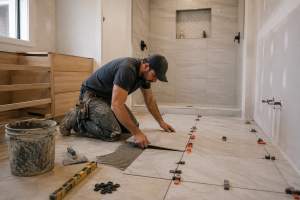
2. Bathroom Remodeling
Bathrooms may occupy less square footage than kitchens, but their condition can dramatically influence how homeowners and potential buyers perceive a property.
An outdated bathroom doesn’t always require changing its entire footprint. A better vanity, improved lighting, updated tile, more functional storage, and a well-designed shower can make an enormous difference.
Primary bathrooms offer another opportunity. Walk-in showers, custom vanities, quality fixtures, thoughtful lighting, and timeless materials can create the feeling of a private retreat without making the design unnecessarily complicated.
In some homes, however, the bigger opportunity isn’t upgrading an existing bathroom—it’s adding another one.
A home with several bedrooms but too few bathrooms may benefit more from creating an additional full or half bath than making one existing bathroom extremely luxurious.
That is why the right renovation starts with understanding the house rather than simply following trends.
3. Home Additions
Sometimes the biggest problem with a home isn’t what it has.
It’s what it doesn’t have.
Perhaps your family needs another bedroom, a dedicated office, a larger family room, a guest suite, or simply more room to live comfortably.
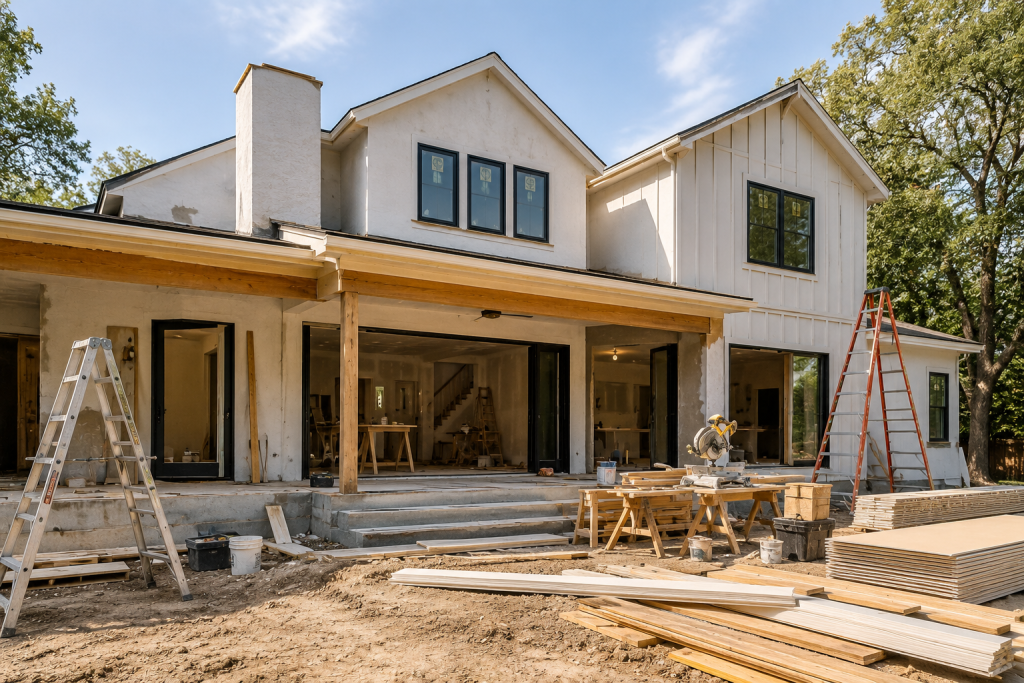
A thoughtfully designed addition can provide that space while allowing homeowners to remain in a property and neighborhood they already love.
From a value perspective, the important word is thoughtfully.
An addition should feel connected to the original home. Rooflines, windows, exterior materials, ceiling heights, interior transitions, and proportions all matter. When these details are handled well, the new space shouldn’t feel like something that was attached years later.
It should feel like it was always supposed to be there.
👉 You May Also Find This Helpful: Home Additions in Texas: Is Expanding Better Than Moving?
4. Custom Cabinetry and Better Storage
Storage isn’t always the first thing homeowners imagine when thinking about remodeling projects that increase home value, but good storage changes how a house functions every single day.
And we’re not talking only about kitchen cabinets.
Custom cabinetry can transform pantries, bathrooms, laundry rooms, mudrooms, home offices, entertainment areas, and awkward spaces that would otherwise remain underused.
The advantage is the ability to design around the architecture rather than forcing standard dimensions into the room.
In a kitchen, that could mean deep drawers for cookware, concealed small appliances, integrated pantry storage, or cabinetry designed around specific appliances. Elsewhere, built-ins can turn unused walls into functional storage without making a room feel crowded.
When cabinetry combines craftsmanship with thoughtful design, storage becomes part of the architecture itself.
👉 You May Also Find This Helpful: Custom Kitchen Cabinets: What Should You Look for Before Buying?
5. Exterior Improvements and Curb Appeal
We spend a lot of time thinking about interiors during a remodel, but the experience of a home begins before you open the front door.
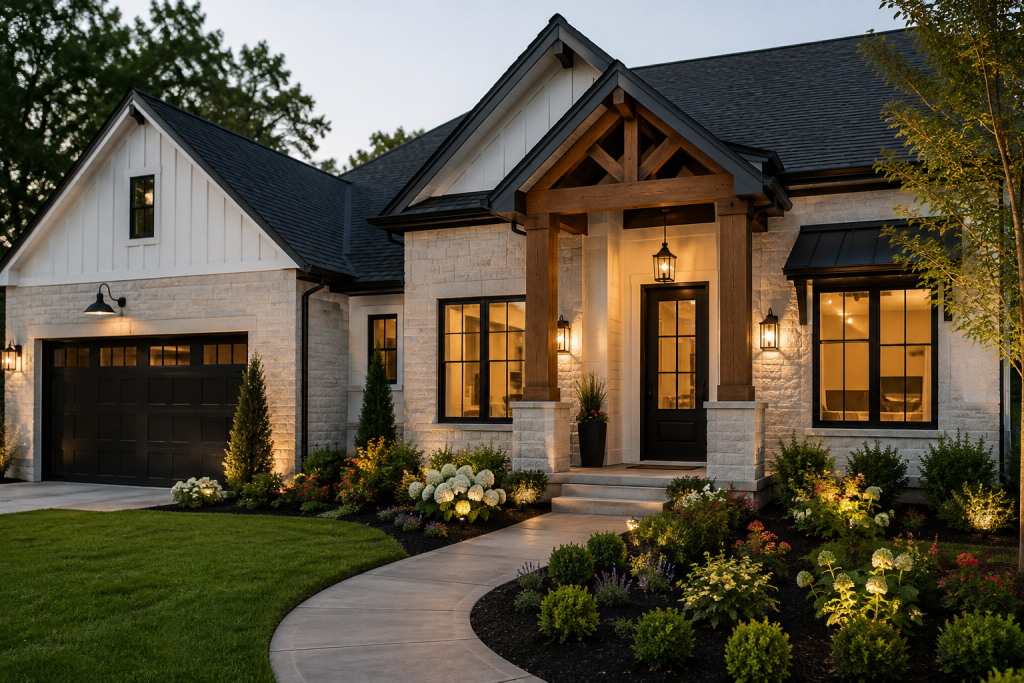
Faded paint, aging exterior finishes, an uninspiring entrance, or architectural elements that don’t work together can make an otherwise beautiful home feel tired.
Exterior painting can provide an immediate refresh, while improvements to the entryway, trim, doors, lighting, and other architectural details can create a much stronger first impression.
The goal isn’t simply to make the exterior look newer.
It should feel cohesive with the architecture of the house.
A carefully chosen exterior palette and a few well-designed improvements can often do more than adding decorative elements everywhere.
Sometimes restraint creates the strongest transformation.
6. Improving the Floor Plan
This is one of our favorite improvements because homeowners often assume they need more square footage when they actually need to use their existing square footage better.
Older homes can have rooms that feel disconnected, narrow circulation paths, underused formal spaces, small kitchens separated from living areas, or layouts designed for a completely different way of living.
Reworking those relationships can dramatically change the experience of the home.
Opening the kitchen toward a family room, improving the connection between indoor and outdoor spaces, creating better circulation, or repurposing an unused room can make the property feel larger without adding a single square foot.
Of course, removing walls isn’t automatically the answer. Structural considerations, privacy, furniture placement, storage, acoustics, and the architecture of the home all need to be considered.
The best floor plans aren’t necessarily the most open.
They’re the ones that make moving through and living in the home feel natural.
7. Whole-Home Remodeling
Sometimes improving one room isn’t enough.
A house may have an outdated kitchen, aging bathrooms, inconsistent flooring, poor lighting, limited storage, and a floor plan that no longer fits the homeowner’s lifestyle.
Remodeling each area separately over many years can work, but it can also result in a home where every room feels like it belongs to a different project.
A whole-home remodel provides an opportunity to step back and think about the property as one complete design.
Materials can flow naturally from room to room. Cabinetry, flooring, lighting, paint, architectural details, and finishes can speak the same language. Larger layout changes can also be considered together rather than being limited by decisions made during previous renovations.
For the right property, this can be one of the most transformative remodeling projects that increase home value because you’re addressing both aesthetics and functionality at a much larger scale.
Does Every Remodeling Project Increase Home Value?
No—and that’s an important distinction.
Renovation should never be treated like a simple equation where spending $50,000 automatically adds $50,000 or more to a home’s resale price.
The potential return depends on the home’s current condition, the neighborhood, local buyer expectations, construction quality, material choices, project cost, and how long you intend to own the property.
It’s also possible to over-improve.
Creating an extremely expensive, highly personalized renovation may be worthwhile if you’re designing your forever home, but that doesn’t mean a future buyer will assign the same financial value to every decision.
That’s why we like to think about value more broadly.
A successful remodel can provide financial value, functional value, lifestyle value, or a combination of all three.
If you’re preparing to sell soon, resale and broad buyer appeal may carry more weight. If you’re planning to live in the home for another 10 or 20 years, improving how your family experiences the property every day becomes part of the return on your investment.
👉 You May Also Find This Helpful: Should You Remodel Before Selling Your House? What Texas Homeowners Need to Know
Which Remodeling Project Is Right for Your Home?
The best project isn’t necessarily the biggest or most expensive one.
It’s the one that solves the right problem.
A beautiful kitchen might be the obvious priority in one house. Another property might benefit far more from an additional bedroom. And sometimes the most significant improvement comes from changing a frustrating floor plan rather than adding anything new.
Before deciding where to invest, look at your home as a whole.
Ask yourself what isn’t working, which spaces you use most, how long you expect to stay, and whether the improvement fits naturally with the architecture and value of the property.
Those answers can tell you much more than simply following a list of popular renovations.
Remodeling With Texas Signature Design & Build
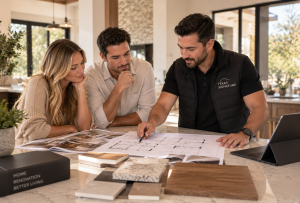
At Texas Signature Design & Build, we believe the best remodeling decisions happen when design, functionality, budget, and construction are considered together.
Our team works with homeowners across Huntsville, Conroe, The Woodlands, Spring, and surrounding Texas communities, helping transform kitchens, bathrooms, cabinetry, floor plans, additions, exteriors, and entire homes.
Rather than recommending improvements simply because they’re popular, we look at the property, how you live in it, what you want to accomplish, and which changes can make the greatest difference.
If you’re considering remodeling projects that increase home value, we’d love to help you explore what’s possible and create a renovation that feels valuable not only when it’s time to sell—but every day you live there.