If you love your neighborhood but your house no longer fits your needs, you may be facing an important decision: should you renovate your existing home or start fresh with a new one?
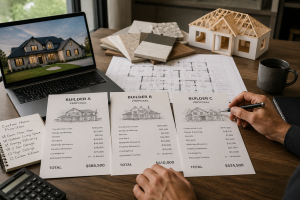
One of the first questions homeowners ask is: Is remodeling cheaper than building a new home in Texas? In many cases, remodeling can cost less because you’re keeping the existing structure, foundation, and some of the home’s major systems. However, that isn’t always the case.
Major structural changes, extensive renovations, and unexpected conditions can make remodeling surprisingly expensive. Meanwhile, building a new home gives you greater flexibility but introduces costs that homeowners sometimes overlook.
Understanding the differences can help you decide which investment makes sense for your property, budget, and long-term plans.
1. How Much Does Remodeling Cost Compared to New Construction?
The biggest difference between remodeling and building new is the amount of the home you’re replacing.
A kitchen or bathroom renovation generally costs much less than constructing an entire house. But when you’re considering a whole-home remodel, the comparison becomes more complicated.
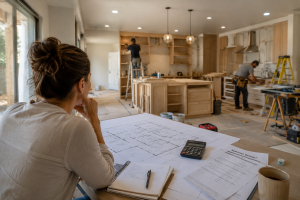
For example, a renovation involving new flooring, cabinetry, bathrooms, and finishes may preserve most of the home’s existing structure. A major renovation involving foundation repairs, structural changes, plumbing relocation, and extensive electrical upgrades could require a much larger investment.
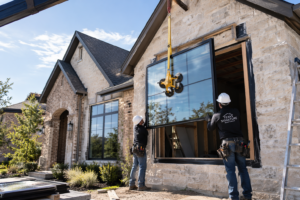
New construction, on the other hand, involves building the entire property, including its foundation, framing, roofing, mechanical systems, and finishes.
The most accurate comparison is between two detailed project scopes rather than broad national averages.
2. When Is Remodeling the More Affordable Option?
Remodeling often makes financial sense when the existing home has a solid structure and the improvements you want don’t require extensive changes.
For example, replacing outdated cabinetry, improving a kitchen layout, renovating bathrooms, or updating finishes can dramatically improve how a home looks and functions without rebuilding everything.
You may also avoid certain expenses associated with new construction, such as purchasing land or installing entirely new infrastructure.
For homeowners in Huntsville, Conroe, The Woodlands, and Spring, remodeling can be particularly appealing when they already own a property in a neighborhood they enjoy.
The key is understanding whether the existing house can realistically accommodate the changes you want.
3. When Can Building a New Home Make More Sense?
Sometimes, renovating an older home means working around limitations that are expensive to change.
Low ceilings, inefficient floor plans, significant structural problems, outdated systems, or a foundation requiring major repairs can make a comprehensive remodel difficult.
If you’re planning to replace nearly everything, it may be worth comparing the renovation cost against the expense of building a new home.
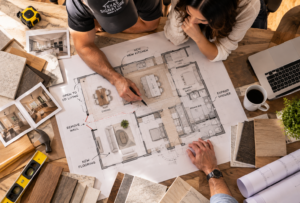
New construction also allows you to design the layout, room sizes, storage, energy systems, and architectural details around your lifestyle from the beginning.
However, the additional flexibility comes with its own financial considerations, including site preparation, permits, utilities, and potentially land acquisition.
Building new isn’t automatically the better investment. It depends on how much of your existing home needs to change.
4. What Hidden Costs Should Homeowners Consider?
Both remodeling and new construction can involve expenses that aren’t immediately obvious.
With remodeling, unexpected conditions may become visible only after demolition begins. These can include water damage, outdated wiring, plumbing problems, structural deficiencies, or work that needs to be brought into compliance with applicable requirements.
New construction has different considerations, including soil conditions, drainage, utility connections, site access, grading, and development requirements.
In either case, a realistic budget should account for design, engineering, applicable permits, material selections, and a contingency appropriate to the project’s risks.
A detailed evaluation before construction can help homeowners understand these variables rather than relying on an initial price alone.
5. Is It Cheaper to Remodel or Build an Addition?
If your main concern is insufficient space, you may not need an entirely new home.
A home addition can create an extra bedroom, expand a kitchen, add a home office, or provide more living space while allowing you to remain in your existing neighborhood.
However, additions involve more than constructing new square footage. The project may require foundation work, roofing connections, structural modifications, HVAC adjustments, and integration with the original home.
In some situations, expanding an existing property can be more practical than moving or rebuilding. In others, the complexity of connecting old and new construction can make the cost less attractive.
The right decision depends on your property’s layout, lot conditions, and long-term needs.
👉 You May Also Find This Helpful: Home Additions in Texas: Is Expanding Better Than Moving?
6. Which Option Takes Longer: Remodeling or Building New?
Construction timelines depend on project size, complexity, approvals, and material availability.
A contained renovation may take several weeks, while a major whole-home remodel can extend over several months.
Building a custom home generally involves a longer overall process because the project includes design, site preparation, approvals, foundation construction, framing, systems installation, and finishing.
However, major renovations can also require significant planning and may encounter delays when unexpected conditions are discovered.
If timing is important, ask your contractor to explain both the preconstruction and construction schedules rather than focusing only on the estimated number of weeks spent on-site.
👉 You May Also Find This Helpful: 7 Remodeling Mistakes That Cost Homeowners Thousands (and How to Avoid Them)
7. Which Option Adds More Property Value?
Both remodeling and new construction can influence property value, but neither guarantees that you’ll recover your entire investment.
A well-planned kitchen renovation, bathroom remodel, or improved floor plan may increase a home’s appeal without requiring a complete rebuild.
A newly constructed home may offer modern layouts, updated systems, and greater customization. However, its resale value will still depend on location, lot characteristics, neighborhood comparables, construction quality, and market conditions.
For homeowners planning to sell in the near future, it may be wise to prioritize improvements that appeal to a broad range of buyers.
If you’re planning to stay for many years, comfort, functionality, and personal preferences may deserve greater consideration.
8. Remodeling vs. Building New: What Are You Actually Comparing?
| Factor | Remodeling | New Construction |
|---|---|---|
| Initial investment | Often lower for limited renovations | Generally higher overall |
| Design flexibility | Influenced by existing structure | Greater freedom |
| Unexpected conditions | Hidden issues in existing home | Site and construction-related risks |
| Construction timeline | Depends on renovation scope | Typically longer for a complete home |
| Existing neighborhood | Keep your current location | Depends on available land |
| Customization | Limited by existing conditions | Extensive customization |
| Daily disruption | May affect an occupied home | Construction typically occurs separately |
| Long-term value | Depends on improvements and market | Depends on design, location, and market |
The important question isn’t simply which option costs less. It’s which option delivers the home you want at a cost that makes sense.
9. How Do You Decide Between Remodeling and Building New?
Before making a decision, consider three questions.
What do you want to change? If you’re mainly unhappy with finishes, storage, or a few rooms, remodeling may be sufficient. If you want a completely different layout, more square footage, and major structural changes, new construction deserves consideration.
What condition is your existing home in? A property with a sound foundation and well-maintained systems may offer a strong starting point for renovation. A house requiring extensive repairs could change the financial equation.
How long do you plan to stay? Your priorities may differ depending on whether you’re preparing to sell or creating a long-term home for your family.
Comparing realistic project scopes can help you make a more informed decision.
Remodeling or Building New With Texas Signature
At Texas Signature Design & Build, we understand that choosing between remodeling and new construction is about more than comparing prices.
It’s about evaluating your property, understanding your priorities, and finding the most practical way to create a home that works for you.
Our team provides custom home construction, whole-home renovations, home additions, kitchen and bathroom remodeling, and custom cabinetry throughout Huntsville, Conroe, The Woodlands, Spring, and surrounding Texas communities.
If you’re wondering whether remodeling is cheaper than building a new home in Texas, we can help you explore both approaches, understand the potential scope of work, and plan your next steps.
The right decision begins with understanding what your existing home can offer and what building something new could make possible.