Building or remodeling a home involves hundreds of decisions, from architectural layouts and material selections to construction budgets, timelines, and finishing details. For many homeowners, the challenge isn’t simply choosing the right design. It’s making sure every part of the project works together.
That’s why design-build services in The Woodlands, TX are worth considering. Instead of managing separate designers, architects, and construction contractors, homeowners can work with an integrated team that coordinates the project from initial planning through construction.
Whether you’re considering a custom home, a major renovation, or an addition to your existing property, understanding the design-build approach can help you choose a process that fits your goals.
1. One Team Coordinates Design and Construction
In a traditional construction arrangement, homeowners may hire an architect or designer first, then bring in a contractor once the plans are complete.
With design-build, design and construction responsibilities are coordinated within one project delivery structure.
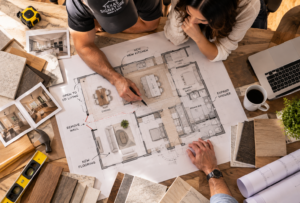
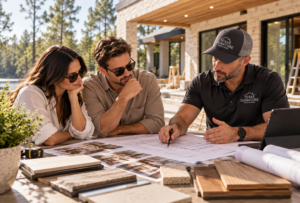
This creates opportunities for architects, designers, project managers, and construction professionals to collaborate earlier. Instead of treating design and construction as separate phases with limited interaction, the team can evaluate decisions together.
For homeowners, this often means fewer communication gaps and a clearer understanding of who is responsible for moving the project forward.
2. Budget Considerations Begin During Design
One of the biggest frustrations in residential construction happens when homeowners fall in love with a design, only to discover that building it will cost significantly more than expected.
A design-build approach allows construction costs and practical considerations to influence design decisions earlier.
For example, changing the kitchen layout, adding large windows, selecting custom cabinetry, or modifying structural elements can affect the overall budget.
When the construction team participates in planning, homeowners can compare design alternatives and understand their potential cost implications before committing to a final direction.
This doesn’t guarantee a fixed price from the beginning, but it can make budgeting more informed.
3. Communication Becomes More Straightforward
Construction projects involve many moving parts, and homeowners shouldn’t have to coordinate every conversation between designers, suppliers, and contractors.
With design-build services in The Woodlands, TX, homeowners can benefit from a more centralized communication process.
Questions about materials, construction details, scheduling, and design changes can be addressed through a coordinated team rather than requiring the homeowner to manage multiple independent professionals.
Clear communication is particularly valuable during larger renovations, when unexpected conditions or decisions may arise after work begins.
The objective is simple: homeowners should understand what’s happening, what decisions are needed, and who is responsible for each stage.
4. Design Decisions Are Evaluated for Buildability
A beautiful architectural concept is only successful when it can be constructed properly.
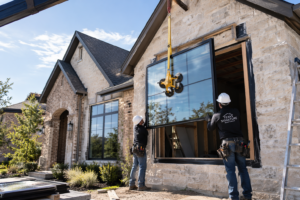
During planning, design-build teams can evaluate practical considerations such as structural requirements, material availability, installation methods, and how different elements of the home interact.
For example, an open-concept renovation may require structural modifications. A custom kitchen may need careful coordination between cabinetry, electrical systems, plumbing, lighting, and appliances.
Addressing these details during design can help reduce avoidable conflicts once construction is underway.
This is especially important for projects involving substantial changes to an existing home.
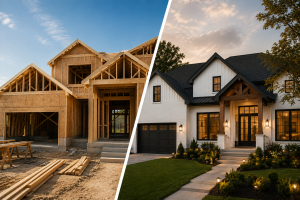
5. Custom Homes Benefit From Early Collaboration
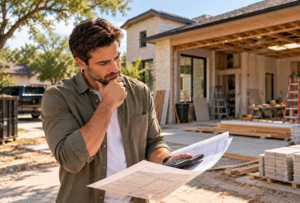
Building a custom home involves more than selecting a floor plan and choosing finishes.
The design needs to respond to the property, the homeowner’s priorities, applicable requirements, and the realities of construction.
For homeowners in The Woodlands, site conditions, neighborhood architectural standards, deed restrictions, and applicable permitting requirements may also influence the process.
An integrated team can consider these factors while developing the home rather than waiting until construction begins.
This makes design-build particularly useful for homeowners who want a customized property with coordinated architectural, interior, and construction decisions.
6. Renovations and Home Additions Become Easier to Coordinate
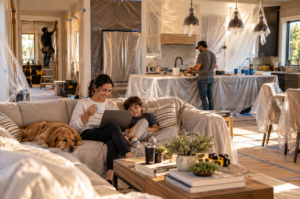
Remodeling an existing home introduces challenges that aren’t always present in new construction.
Walls may conceal unexpected conditions, existing systems may need upgrades, and new architectural elements must connect properly with the original structure.
For a whole-home renovation or home addition, design-build coordination helps align the proposed design with existing conditions and construction requirements.
Homeowners can also evaluate how changes in one area may affect another.
For example, expanding a kitchen could influence circulation, lighting, flooring transitions, structural elements, and adjacent living spaces.
A coordinated approach helps the project feel like one cohesive improvement rather than several disconnected upgrades.
7. Material Selections Can Be Planned Earlier
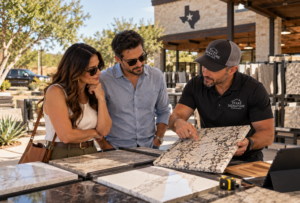
Cabinetry, countertops, flooring, windows, fixtures, and lighting all influence the finished appearance of a home. They can also affect cost, ordering schedules, and installation sequencing.
When material decisions are delayed, homeowners may face limited availability, rushed selections, or changes that affect other parts of construction.
Design-build teams can help organize important selections around project milestones.
This allows homeowners to consider aesthetics, functionality, durability, and budget together while giving the construction team the information needed to plan upcoming work.
8. The Finished Home Can Feel More Cohesive
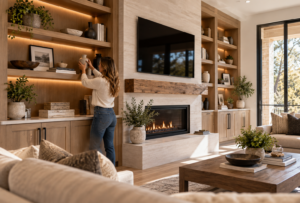
A successful home should feel thoughtfully connected, from its architectural layout to its cabinetry, finishes, lighting, and exterior details.
When design and construction teams collaborate throughout the project, there’s an opportunity to maintain a consistent vision.
This can be particularly valuable in custom homes and major renovations where numerous individual decisions need to work together.
The goal isn’t simply to create an attractive space. It’s to make sure the design supports how the homeowner actually lives and that the construction reflects the intended details.
Is Design-Build Better Than Traditional Construction?
Not necessarily for every project.
Traditional construction can be a good option for homeowners who already have completed architectural plans or prefer to hire an independent designer and competitively bid the construction work.
Design-build may be more appealing to homeowners who want coordinated planning, earlier construction input, and a more integrated project management experience.
The best choice depends on the project’s complexity, the homeowner’s preferences, and the responsibilities included in each company’s services.
👉 You May Also Find This Helpful: Design-Build vs. Traditional Construction: Which Is Right for Your Project?
Design-Build Services With Texas Signature
At Texas Signature Design & Build, we believe good construction starts with thoughtful planning, clear communication, and attention to detail.
Our approach connects design considerations with construction management to help homeowners make informed decisions throughout their projects.
We provide custom home construction, whole-home renovations, home additions, kitchen and bathroom remodeling, and custom cabinetry throughout The Woodlands, Spring, Conroe, Huntsville, and surrounding Texas communities.
If you’re exploring design-build services in The Woodlands, TX, our team can help you evaluate your project, understand the process, and plan the next steps.
A successful home begins long before construction. It starts with bringing the right people and decisions together.